The honest answer most owners want: every 4 to 8 weeks for the majority of dogs. But that range is wide for a reason—a Poodle and a Beagle live on completely different schedules. The AKC's point is where we'd start: regular professional grooming keeps the coat and skin healthy and catches small problems early. After years of building routines for dogs all over the Waunakee and Madison area, here's how we land on the right schedule for yours—beginning with the coat.
Start with the coat
Coat type drives almost everything. Find your dog here:
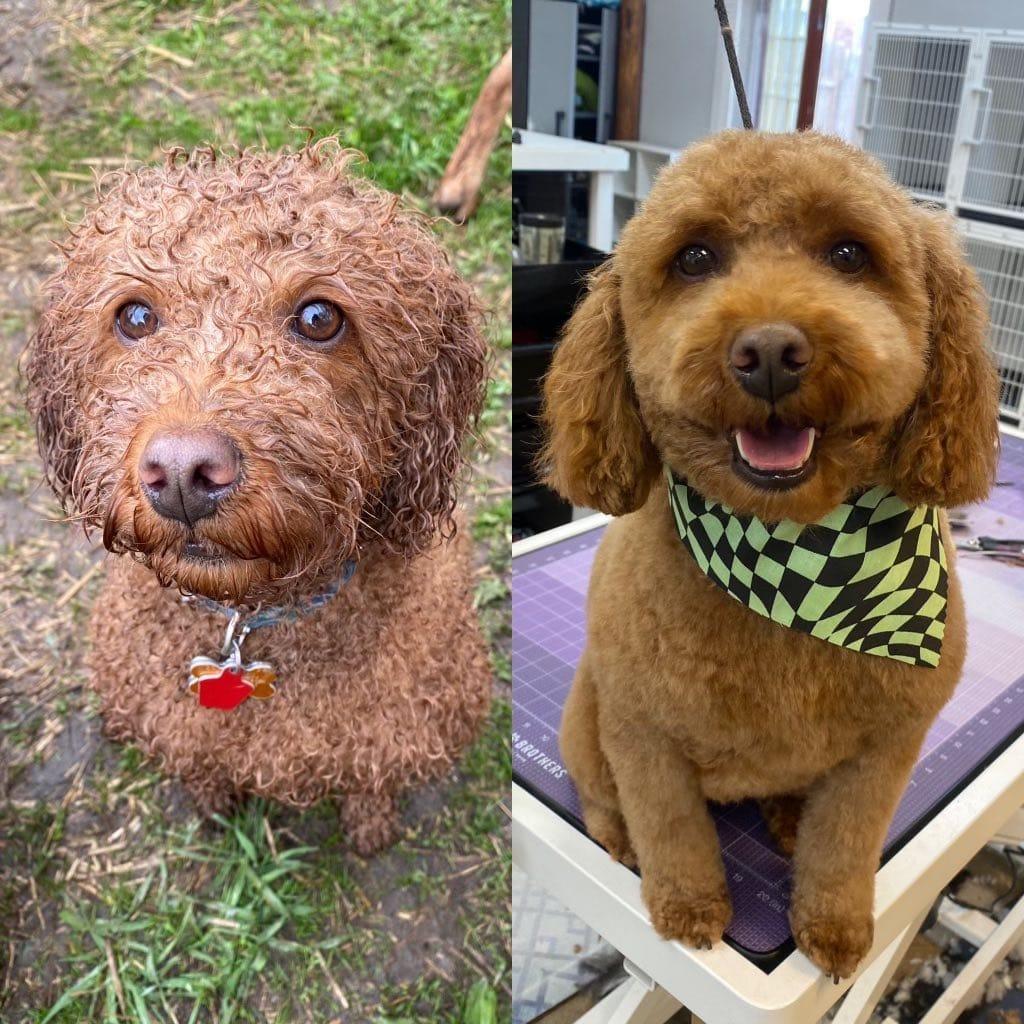
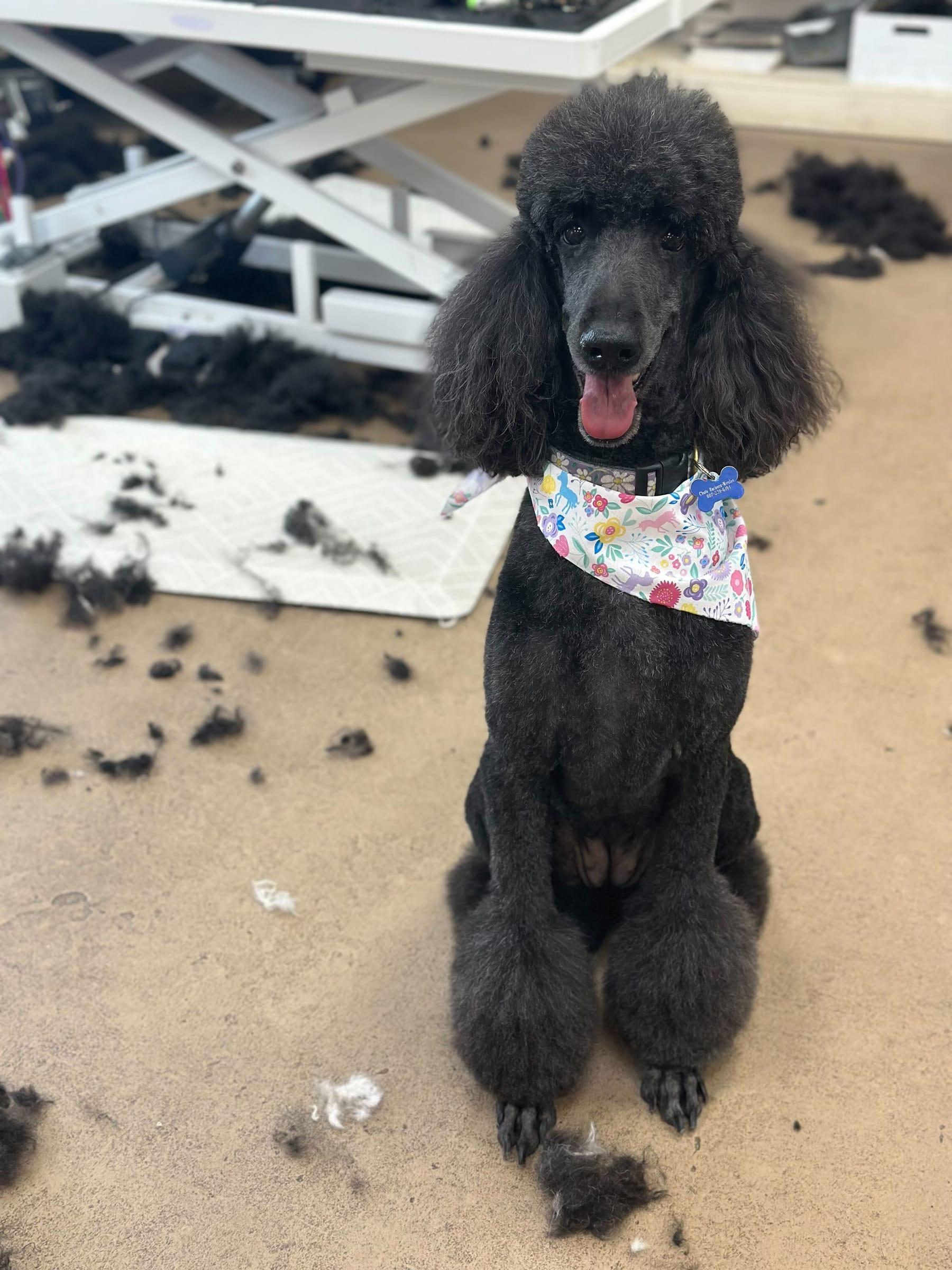
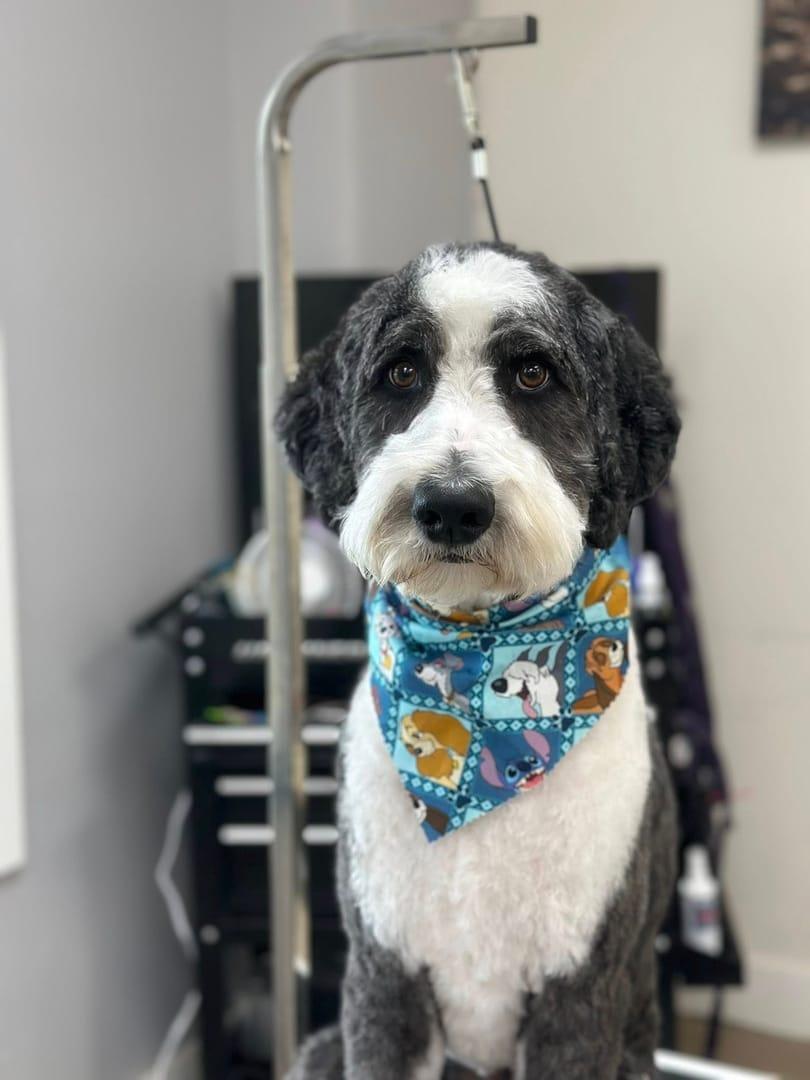
- Curly and wavy (Poodles, Doodles, Bichons)—every 4 to 6 weeks. The coat keeps growing and mats fast, so it needs the most regular grooming, plus brushing every day or two at home.
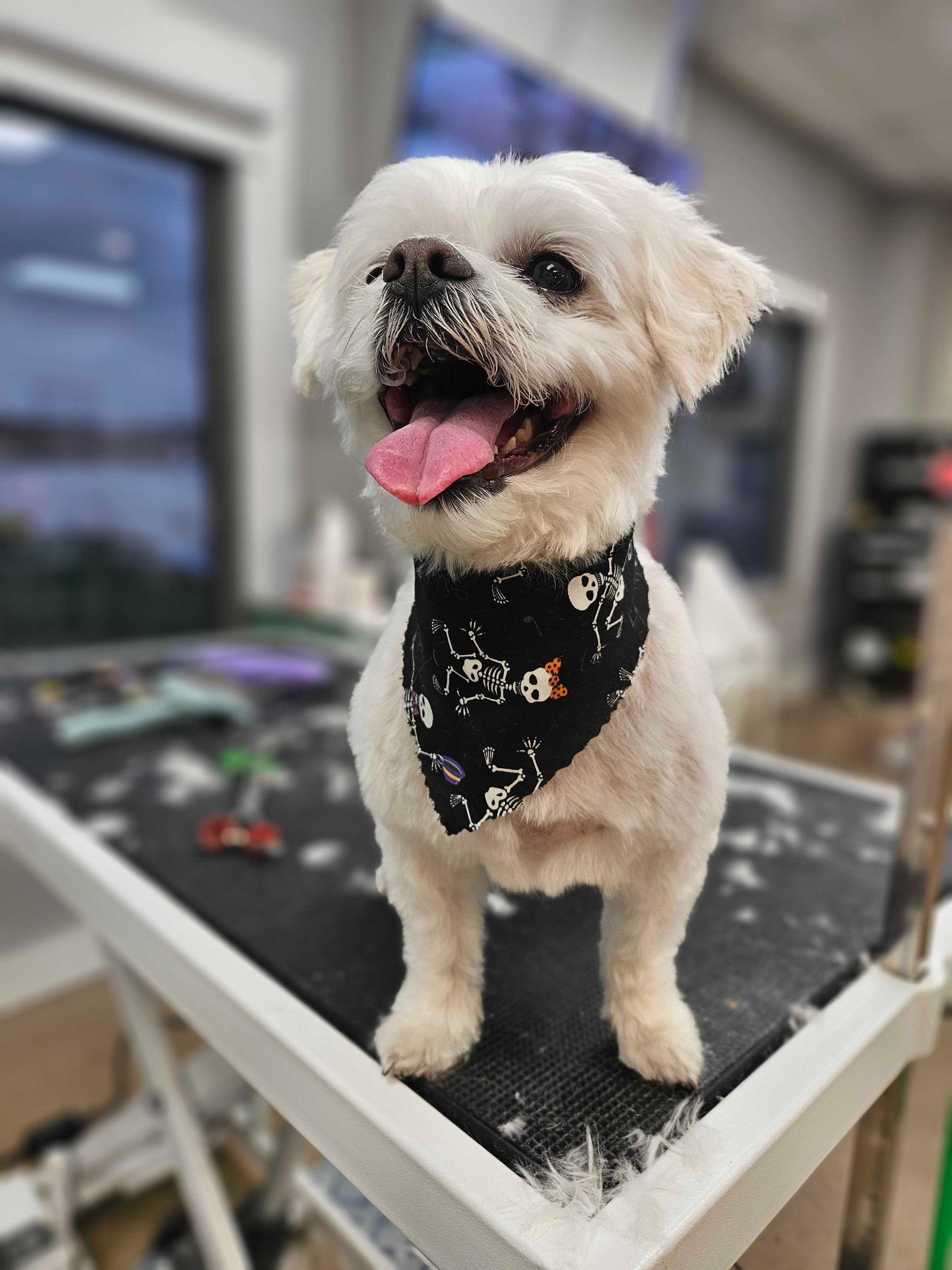
- Long and silky (Shih Tzus, Maltese, Yorkies)—every 4 to 6 weeks. Gorgeous, but quick to tangle behind the ears and under the legs. Brush several times a week.
- Double-coated (Huskies, German Shepherds, Golden Retrievers, Aussies)—roughly every 8 to 12 weeks for a full groom, with brushing two or three times a week, and daily when they "blow their coat" in spring and fall. One thing we won't do: shave a healthy double coat down—it doesn't grow back the same and it wrecks their natural temperature control.
- Short-coated (Labs, Beagles, Boxers)—every 8 to 12 weeks. They shed less visibly but still benefit from a bath, de-shed, and nail trim. Weekly brushing keeps the fur off your couch.
- Wiry (Schnauzers, many Terriers)—every 6 to 8 weeks to hold the texture and shape.
Then adjust for the dog
Coat type sets the baseline. A few things move the dial:
- Puppies—we start them as early as 12 weeks, once their first vaccines are underway, with short, gentle, confidence-building visits. Here's how to prep a puppy for their first groom.
- Seniors—often need to come a little more often. Grooming themselves gets harder, and a regular visit is a good early-warning system for lumps, sore spots, and skin changes.
- Outdoor and high-energy dogs—more time outside means more dirt and more shedding, and usually a slightly shorter interval.
- Skin conditions—follow your vet's lead; some dogs need a specific schedule and specific products.
How to tell you've waited too long
If you're between grooms and not sure, your dog will tell you: mats starting behind the ears, a smell that won't wash out, nails clicking on the floor, a coat that's lost its bounce. That's your cue to book sooner. We wrote a whole post on the five signs a dog is overdue.
The short version
Most dogs land in the 4-to-8-week range, but the right number is the one that keeps your specific dog comfortable and mat-free without overdoing it. When you come in, we'll look at the coat, ask about your routine, and give you a straight recommendation—not an upsell.
We're in Waunakee, an easy drive for families in North Madison, Middleton, Sun Prairie, and DeForest and Windsor. Book a groom or tell us about your dog, and we'll help you set a schedule that fits.